Quiet Tones, Layered Touch: The Art of Subtle Luxury

Color, Softly Spoken


Soft Textiles, Strong Presence
Linen drapes, wool twill, and cashmere throws create an enveloping quiet that amplifies architecture without competing. Mix coarse and fine weaves so light scatters rather than glares. A nubby cushion against a tightly woven rug builds contrast at a human scale. Choose natural fibers for breathable comfort and subtle sheen variance. Over time, these materials record touch and movement, developing patina instead of wear, like a well-loved novel’s softened pages.
Natural Finishes that Grow More Beautiful
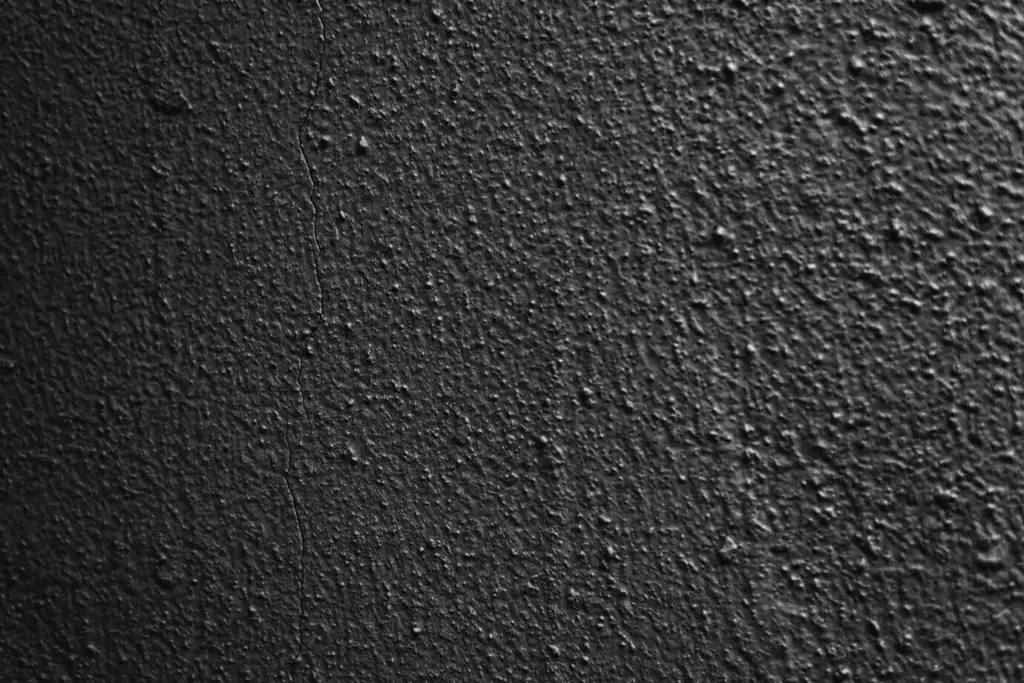
Limewash paint, oiled oak, and honed limestone evolve gracefully, accruing micro-stories in gentle marks and shifts. Imperfection becomes personality, not damage. Sealers should support, not plasticize, so the surface breathes and reflects light softly. A single wall of textured plaster can replace multiple decorative objects, yielding visual quiet. Ask yourself which surface you want to see at dawn; choose the finish that looks honest under both cloudy and bright conditions.
Metals with Quiet Character
Satin and brushed metals—brass, bronze, nickel—whisper instead of sparkle, partnering with muted palettes by catching, not blasting, light. Pair a lightly patinated bronze lamp with linen shades to create a pool of tactful glow. Avoid mixed metals chaos by repeating one finish in three places, then introducing a second as a subtle counterpoint. Over time, touch points evolve, telling a story of use, care, and collected ease.
Material Pairings for Depth





Light: The Quiet Dramatist
Grazing That Reveals Relief
Color Temperature as Mood Keeper
Edit with Kindness, Not Severity

Focal Points That Whisper
Lineage and Influence
Wabi-Sabi’s Gentle Confidence
Embrace asymmetry, patina, and repair as beauty. A mended linen napkin beside a rough ceramic bowl makes a table setting feel honest. Colors lean earthen and foggy, encouraging contemplation. Rather than hiding time, the palette hosts it, welcoming fray and faint stain as evidence of care. Apply this lens to wall finishes and joinery; choose what can be maintained with hands and oil, not plastic and polish.
Scandinavian Tactility beyond Minimalism
Beyond clichés of white rooms, true Scandinavian influence celebrates wood grain, wool warmth, and light tuned for long winters. Muted palettes extend daylight, while textures build comfort without clutter. Oak, ash, and soap finishes keep surfaces matte and luminous. Soft contrasts—stone gray, cloud white, oat beige—form humane backdrops for everyday rituals. Let the palette support family routines, from breakfast nooks to reading corners, with unassuming grace.
Italian Modernism and British Poise
Italian modernism mixes noble materials—travertine, walnut, bronze—with disciplined lines, while British interiors favor tailored restraint and layered textiles. Together they model proportion and polish without ostentation. Choose one heroic material and let others support it quietly. A travertine plinth base, wool tweed upholstery, and patinated brass hardware can read continental yet relaxed. Notice how muted hues keep the ensemble conversational, not theatrical, inviting long, contented evenings.
Build a Palette that Endures
Test Textures in Real Life
All Rights Reserved.